

शिवप्रियंबिल्वदलं, त्रिदलंत्रिगुणात्मकम्।
त्रिनेत्रं च त्रिदेवस्य, त्रिपुण्यं च बिल्वपत्रम्॥
Shivapriyam bilvadalam, tridalam trigunatmakam
Trinetram cha tridevasya, tripunyam cha bilvapatram
“The Bilva leaf is dear to Lord Shiva. Its three leaflets represent the three gunas (qualities of nature), the three eyes of Shiva, and the three forms of the Divine. It is sacred and auspicious in every way.”
In Vedic philosophy, offering natural elements to deities is a sacred act that symbolizes devotion, surrender, and auspiciousness. Among these offerings, Bilva Patra (Bel Leaves) holds a special place in the worship of Lord Shiva, the cosmic transformer. The powerful act of offering Bilva leaves to Shiva is not just a ritual but an expression of deep devotion and faith in the divine.
Bilva Patra is regarded as the most beloved offering to Shiva, with its trifoliate structure representing His three eyes and the Trident (Trishul), symbols of Creation, Preservation, & Destruction. Rooted in ancient scriptures and legends, the offering of these sacred leaves reflects the essence of devotion, where simplicity and sincerity triumph over grandeur. It is said that Lord Shiva, the all-compassionate deity, blesses His devotees abundantly for their heartfelt offerings, no matter how humble.
This article delves into the mythology, symbolism, and spiritual significance of Bilva Patra in the worship of Lord Shiva. Through captivating stories and profound insights, we explore why this sacred leaf has remained an integral part of Shiva worship, connecting devotees to the divine in the most accessible and meaningful way.
The Story of the Hunter and Shiva’s Mercy
One of the most cherished legends in Shiva Purana reflects Lord Shiva’s infinite compassion and the profound value of devotion, even when unintentional. The story speaks of a hunter wandering in the dense forest, gripped by fear as the darkness brought the threat of wild animals. Seeking refuge, he climbed a Bilva tree to spend the night in safety.
To stay awake and keep himself alert, the hunter began plucking Bilva leaves from the tree and letting them fall to the ground. Unaware that, there was a Shiva Linga beneath the tree, and the fallen leaves landed on it. Throughout the night, his trembling heart sought solace in the divine, and he instinctively chanted Lord Shiva’s name. Though his actions stemmed from fear, they became an act of unintentional devotion, performed with purity of spirit.
The next morning, Lord Shiva, pleased by the hunter’s sincerity and his offering of Bilva Patra, appeared before him and blessed him abundantly. This tale is a timeless reminder of Shiva’s mercy and all-forgiving nature. It demonstrates that the Lord accepts even the simplest gestures of faith, regardless of their intent, and transforms them into blessings.
The story of the hunter reveals Shiva’s divine love for His devotees and the limitless grace He bestows on those who remember Him. It teaches that Shiva, the Mahadeva, is not bound by ritualistic precision but by the essence of the heart. Whether devotion is born out of fear, joy, or longing, it finds its way to the compassionate Lord, who welcomes all with open arms and offers liberation.
Hear this beautiful story narrated by Sakhashree Neeta Ji, Why do we offer Dhatura to Shiva?
The Spiritual Meaning Behind Bilva Patra
Following the heartfelt tale of the hunter and Shiva’s boundless mercy, the significance of Bilva Patra deepens as we explore its spiritual symbolism in the worship of Lord Shiva. Each trifoliate leaf of the Bilva embodies profound aspects of the divine, becoming a sacred bridge between the devotee and the deity.
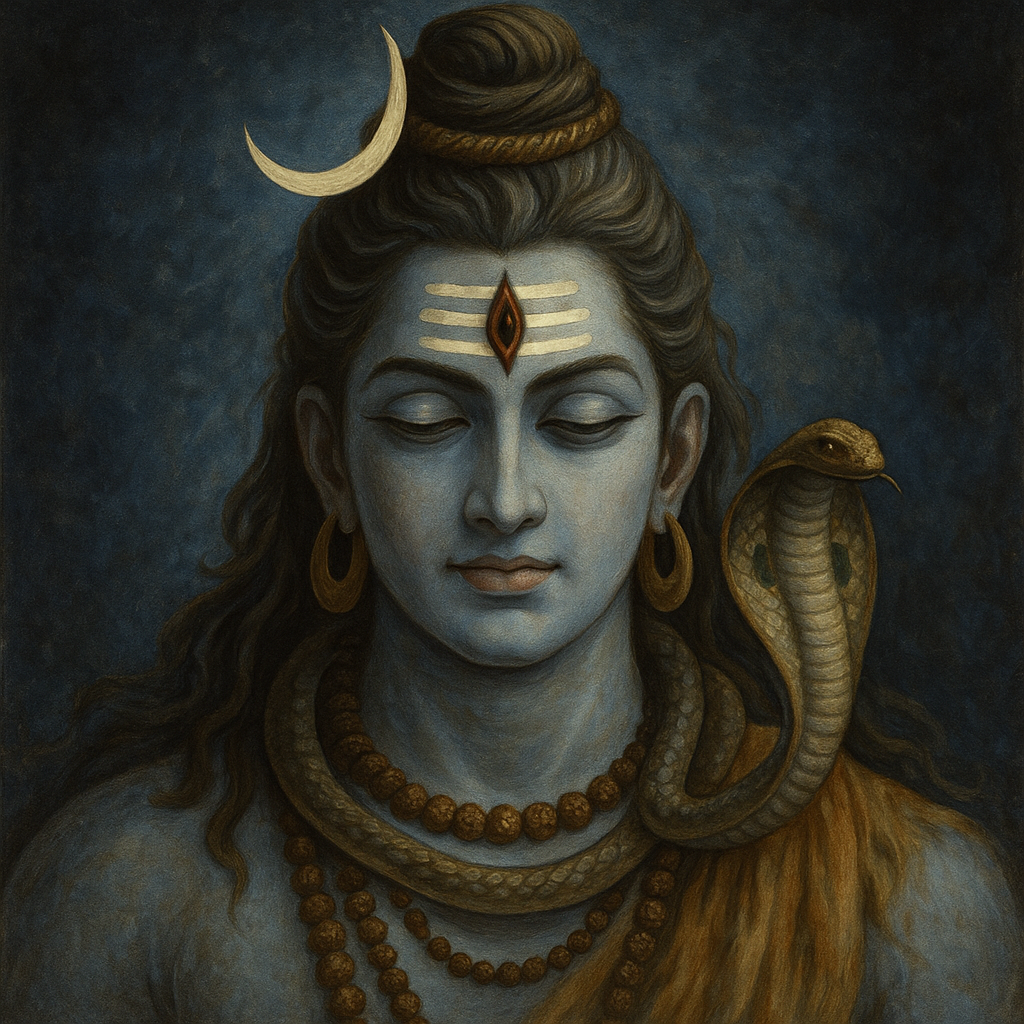
The three leaflets of the Bilva Patra are not mere leaves; they are imbued with deep metaphysical meaning. They represent Shiva’s three eyes, symbolizing His omniscience, vigilance, and divine vision that perceives past, present, and future. Just as Shiva’s third eye opens to destroy ignorance and illusions, the offering of these leaves signifies the devotee’s plea for enlightenment, clarity, and inner awakening.
Each Bilva leaf thus becomes a symbolic offering of the threefold forces that shape the universe:
Shiva’s three eyes
(past, present, and future)
The Trishul
(creation, preservation, destruction)
The three Gunas
(Sattva, Rajas, Tamas)
The act of offering Bilva Patra becomes a silent prayer; a yearning for transformation, a plea for divine clarity, and a surrender of one’s limitations. This trifoliate form mirrors Shiva’s cosmic presence, reminding us of the cyclical nature of the universe and His role as the eternal orchestrator, maintaining balance between opposites.
Bilva Patra also carries a unique cooling energy, a divine balm that pacifies Shiva’s Rudra aspect, His intense and fiery nature. In offering these sacred leaves, devotees seek to soothe Shiva’s divine wrath and embrace His blessings of peace, forgiveness, and compassion. The cooling effect symbolizes not just physical relief but also spiritual calming. An invitation for Shiva to remain benevolent toward the devotee’s imperfections.
Through the simple yet powerful act of placing Bilva Patra upon the Shiva Linga, devotees express deep reverence, atonement, and surrender of ego. Each leaf laid down becomes a silent invocation. A gesture of love, humility, and longing for liberation. Just as the hunter, in his fear and innocence, received Shiva’s grace, devotees today rely on the sanctity of Bilva Patra to awaken divine mercy.
In this sacred exchange, the Bilva Patra transcends its earthly form, becoming a channel of blessings that calms Shiva’s fierce energies and invites His boundless love and protection into the lives of those who offer it with a pure heart.
How to Offer Bilva Patra to Lord Shiva
Here’s how you can offer Bilva Patra with reverence:
Offer on Mondays, Maha Shivratri, or Pradosh days
The leaves should be fresh, not torn or blemished
Face east and chant:
“Om Namah Shivaya” or “Bilva Patram Om Namah Shivaya Samarpayami”
Each offering should be accompanied by sincerity, even if it’s just one leaf.
What does the Offerings teach us about devotion?
The story of the hunter and the sacred offering of Bilva Patra highlight a profound spiritual truth: devotion is rooted in simplicity and sincerity, not in elaborate rituals. The hunter, unknowingly offering Bilva leaves while chanting Shiva’s name out of fear, received the Lord’s infinite grace. This illustrates Shiva’s mercy, where even the smallest heartfelt offering is embraced and transformed into blessings.
The act of offering Bilva Patra, symbolic of Shiva’s eyes and Trishul, reflects the Vedic philosophy that everything in nature is sacred when used with devotion. Bilva leaves, with their cooling effect, not only soothe Shiva’s Rudra energy but also symbolize the purity of a devotee’s heart. This offering reminds us to surrender ego and pride, trusting that faith and intention matter more than the external act itself.
Shiva’s grace is boundless, He welcomes all who seek Him, regardless of their imperfections. The Bilva Patra offering is a timeless lesson in humility and devotion, teaching that even the simplest acts, when filled with love, connect us to the divine.
Closing Reflections on the Divine Bond with Bilva Patra
The offering of Bilva Patra to Lord Shiva encapsulates the essence of simplicity, devotion, and spiritual surrender. From the hunter’s innocent act of unintentional worship to the profound symbolism of the trifoliate leaves, this sacred tradition teaches us that even the humblest offerings, when made with a pure heart, can bridge the mortal with the divine.
Bilva Patra, representing Shiva’s three eyes and Trishul, serves as a powerful reminder of the cyclical nature of life and Shiva’s role as the cosmic protector, creator, and destroyer. The cooling effect of these sacred leaves reflects the devotee’s intent to pacify Shiva’s Rudra energy, seeking forgiveness, protection, and blessings. This offering is not just an act of ritual but a profound spiritual gesture, mirroring the Vedic belief that all elements of nature are divine when used in worship.
Ultimately, Shiva’s unparalleled compassion reminds us that He does not seek grandeur or perfection, He values the sincerity of the heart. Whether through the hunter’s fearful surrender or a devotee’s intentional offering, Lord Shiva accepts all who approach Him with faith and love. The tradition of offering Bilva Patra is a timeless testament to Shiva’s infinite mercy, teaching us to embrace humility, let go of ego, and connect with the divine through the simplest acts of devotion.
Recommended Products for Shiva Devotees from Rudra Centre
To deepen your connection with Shiva and experience the sacred energy of Bilva Patra worship, you may explore the following offerings from Rudraksha Ratna:
1008 Bilva Patra Archana Puja
Lord Shiva is invoked, by offering 1008 Bilva or Bel patra (leaves) along with chanting of the 1008 names of Lord Shiva in the Shiva Sahasranamavalli (1008 names) 1008 Bilva Patra Archana Puja, which is also popularly called Bilva Patra (leaves) Puja or Bel Patra (leaves) Puja.
Click Here to buy 1008 Bilva Patra Archana Puja
One Mukhi Rudraksha
The significance of One Mukhi Rudraksha has been mentioned in various ancient Puranas and Upanishads including the Srimad Bhagwad Gita, Shiva Purana, Padma Purana and more.
Click Here to buy 1 Mukhi Rudraksha
Bel Patra
The Bilva Patra leaves is believed to be able to retain the vibration and blessings of Lord Shiva after it is offered to the Shivling and so, many devotees carry back home to let the blessings and positive energies reverberate at home, clearing negativity.
Click Here to buy Green Bel Patra
Narmada Shiva Lingam
Perfect for daily Bilva Patra offerings and home worship. Worshipping the Narmadeshwar Lingam is believed to bestow spiritual growth, harmony, and protection, inviting the blessings of Lord Shiva into one’s life.
-in-Astrology.jpg)

.jpg)



Comments 0
Leave your thought here